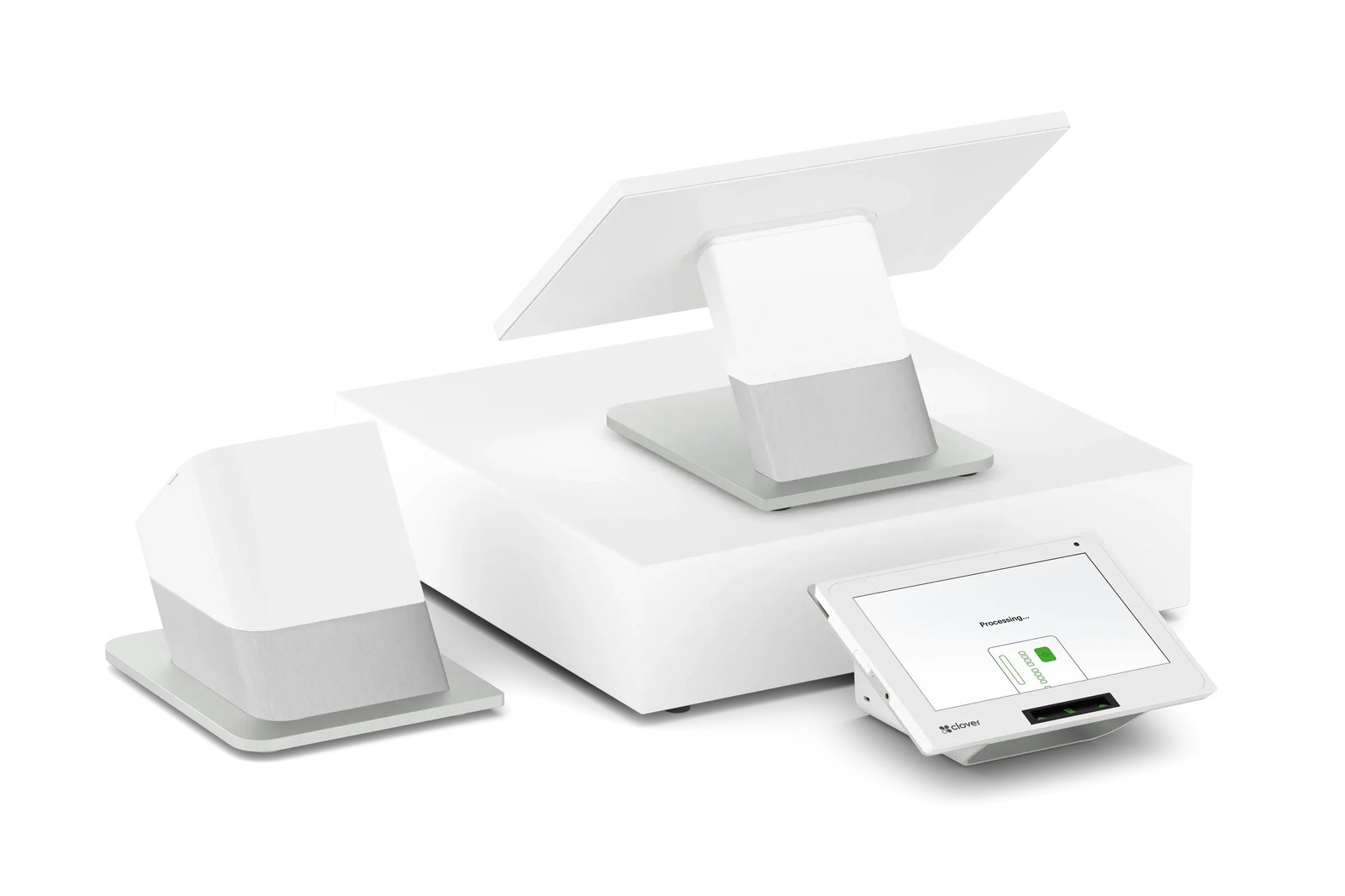
A fixed unit that lives at the register — the classic checkout. Best when customers come to you and you want a stable, always-on station with a printer and cash drawer. Examples: Clover Station, Square Register, dual-screen terminals.
A device you carry — tableside, curbside, at the market, or on a route. Best when you sell away from a fixed counter or want to bust lines at peak. Examples: PAX A920, Square Terminal, Dejavoo P3, Sunmi handhelds.
A customer-facing screen where guests order and pay themselves. Best for quick-serve and high-volume counters — it consistently lifts average ticket and shortens lines. Examples: Clover Kiosk, Square Kiosk, Samsung Kiosk.
An iPad or Android tablet running POS software with a card reader. Best when you want a flexible, affordable register on familiar hardware. Examples: Square Stand, talech, Lavu, Aldelo. (See our terminal vs. POS guide.)
Every dollar you stop paying to accept a card is a dollar back.
Ask where the transaction happens. Fixed counter? Countertop. On the move? Handheld. Want customers to self-serve? Kiosk. Want a flexible tablet register? Tablet POS. Many businesses mix — a countertop plus a handheld, or a register plus a kiosk. I’ll map the right combination to how you operate.
Tell me how you operate and I’ll point you to the exact setup — provided and configured at $0 up front on a zero-cost program. Book a free review or compare devices side by side.
Absolutely — a countertop register with a handheld for the floor, or a register plus a self-order kiosk, is very common. I’ll configure them to work together.
Self-ordering kiosks reliably raise average ticket through guided upsells; handhelds raise throughput by busting lines at peak.
Yes — every form factor can run on a compliant dual-pricing or surcharge program.
Every dollar you stop paying to accept a card is a dollar back. The bigger number for most kitchens is the 15% to 30% a marketplace takes off the top of every delivery order -- and unlike interchange, that one you can remove entirely by owning the ordering.
Free, no-obligation review — I’ll recommend the right equipment and show how your processing savings can cover it.
Prefer to talk now? Call or text (305) 215-6132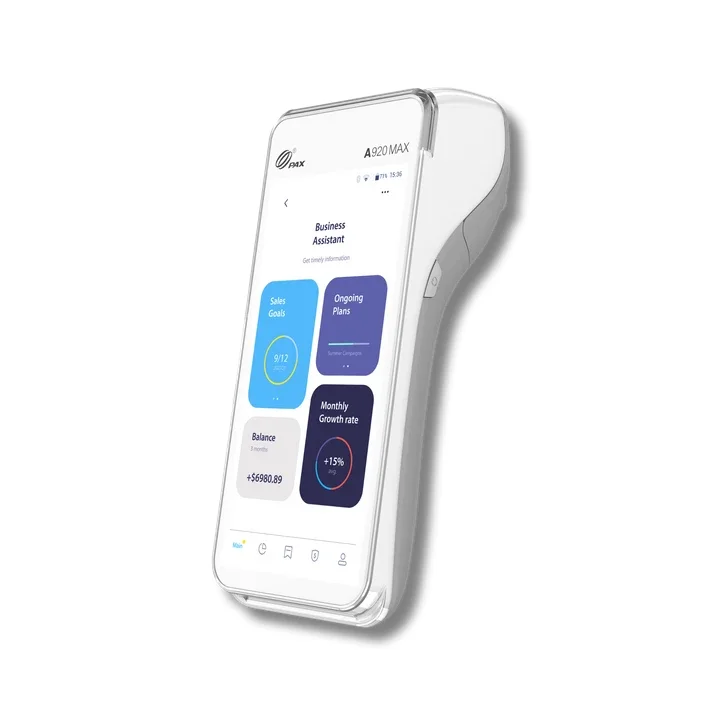 PAX A920
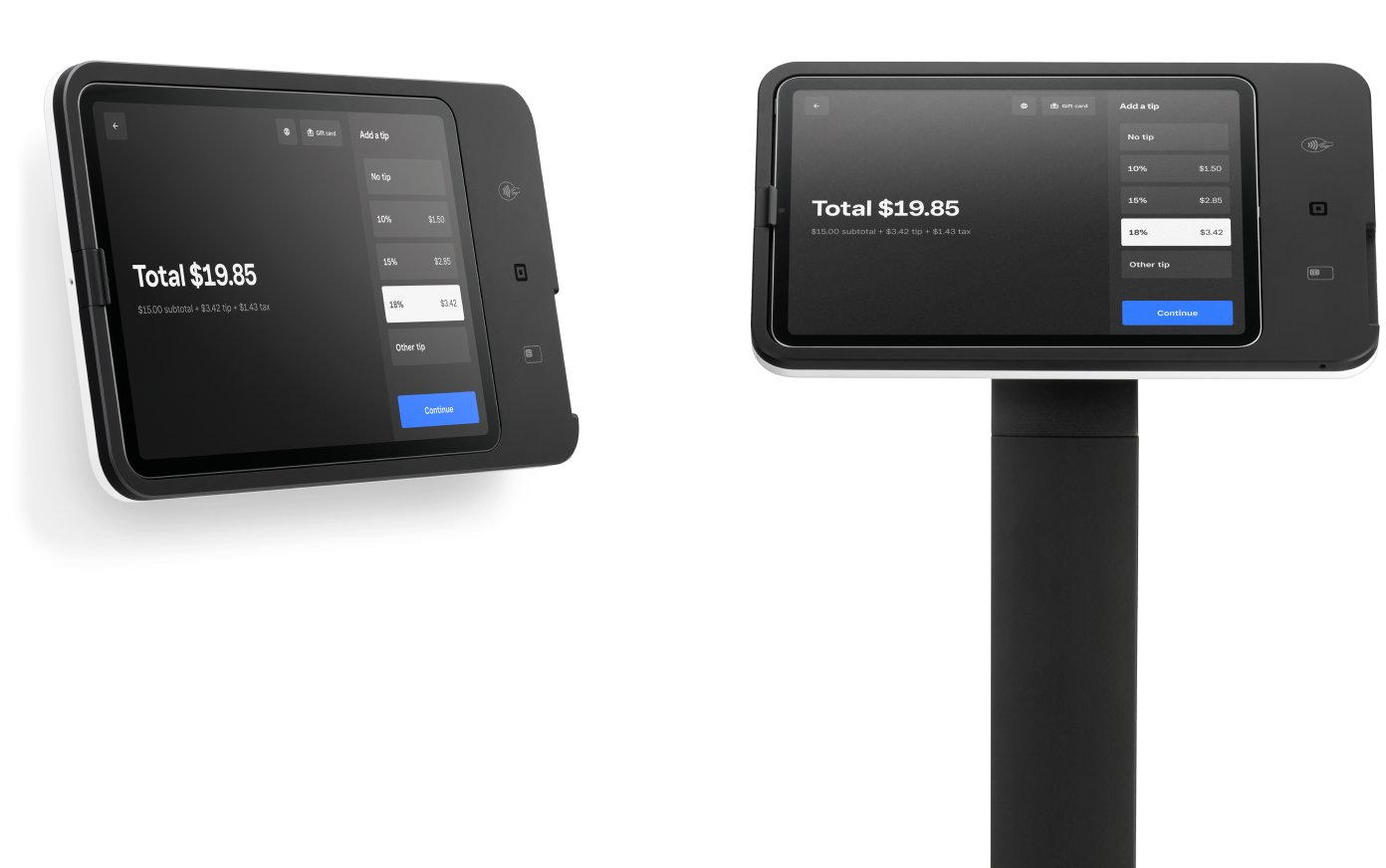 Square Kiosk
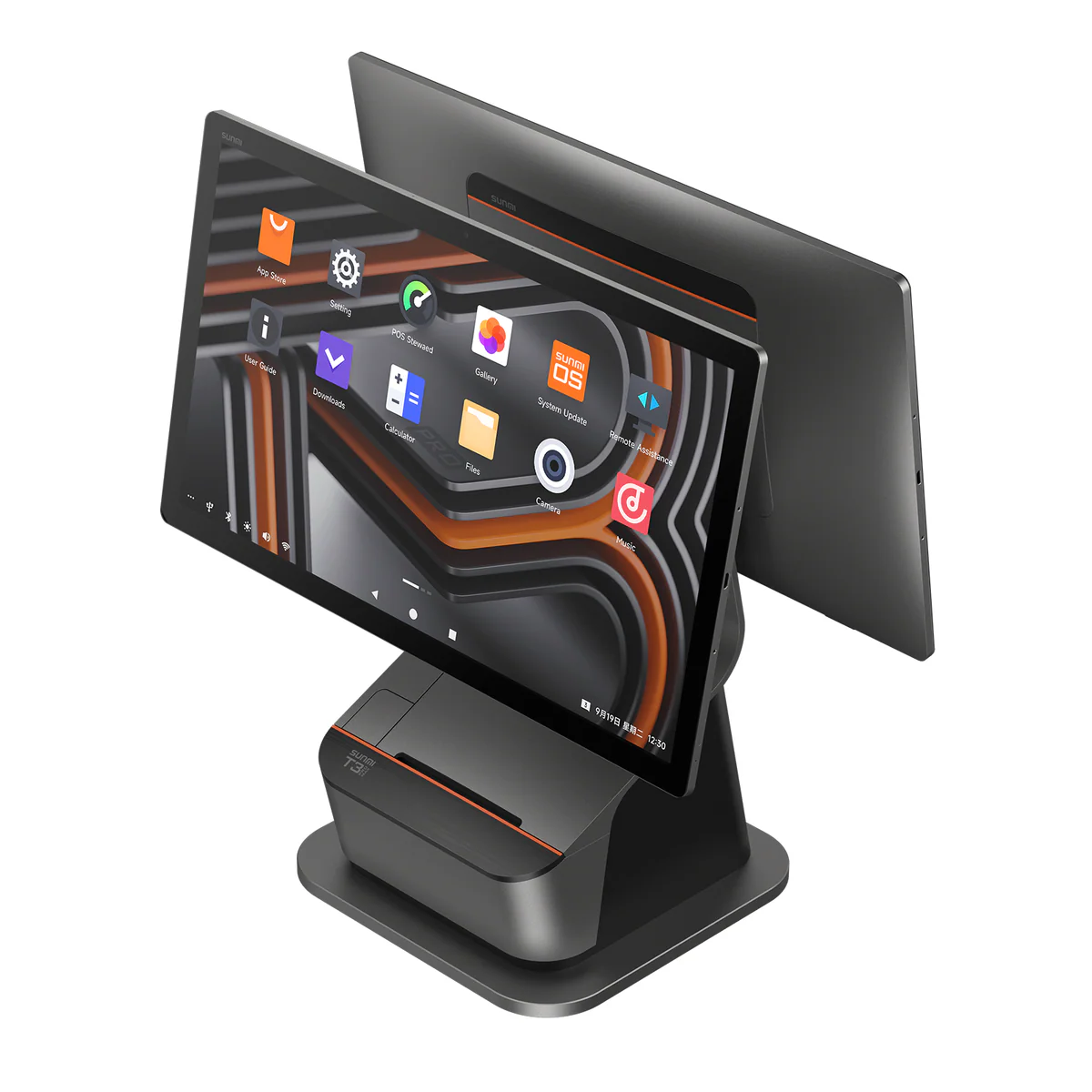 Sunmi T3 Pro